Statecraft & Independence
Landmark
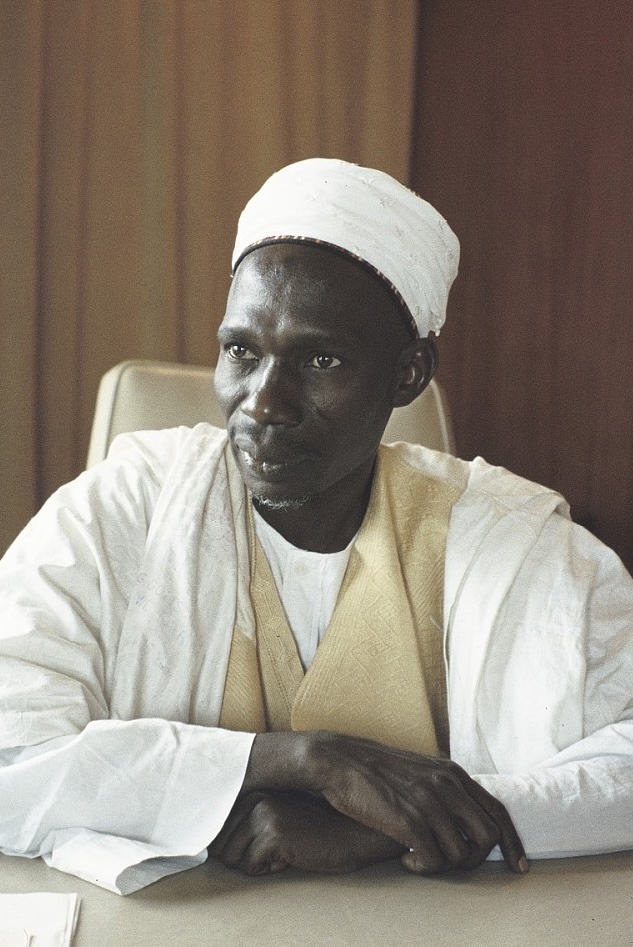
Abubakar Tafawa Balewa
1912 – 1966
Nigeria's first Prime Minister
Landmark is level 2 of 4 in the Nigeria Hall of Fame: a first that opened a door, or the pre-eminent figure of their generation in this country. See how the levels work.
Why they are here
The first Prime Minister of an independent Nigeria, a teacher from Bauchi who held the federation together for six years, and the first of its leaders to be killed in a coup.
Abubakar Tafawa Balewa was a teacher's son from Tafawa Balewa in Bauchi, trained as a teacher himself, and studied at the University of London before entering politics through the Northern People's Congress.
He became Nigeria's first prime minister at self-government in 1957 and led the country to independence on 1 October 1960, holding the office until January 1966. He was widely called the Golden Voice of Africa for his oratory, and put considerable effort into holding together a federation of regions that had been assembled by an outside power and did not trust each other.
Abroad he mattered more than the size of the country's economy suggested: he helped found the Organisation of African Unity, mediated between the radical and conservative blocs of newly independent Africa, pressed for South Africa's exclusion from the Commonwealth over apartheid, and sent Nigerian troops to the United Nations operation in the Congo.
At home the western region crisis, the contested 1964 election and the disputed census left the federation close to breakdown. In the coup of 15 January 1966 he was abducted from his house by soldiers; his body was found by a roadside outside Lagos six days later. Nigeria's first civilian republic died with him, and the war came a year and a half after.
He became Nigeria's first prime minister at self-government in 1957 and led the country to independence on 1 October 1960, holding the office until January 1966. He was widely called the Golden Voice of Africa for his oratory, and put considerable effort into holding together a federation of regions that had been assembled by an outside power and did not trust each other.
Abroad he mattered more than the size of the country's economy suggested: he helped found the Organisation of African Unity, mediated between the radical and conservative blocs of newly independent Africa, pressed for South Africa's exclusion from the Commonwealth over apartheid, and sent Nigerian troops to the United Nations operation in the Congo.
At home the western region crisis, the contested 1964 election and the disputed census left the federation close to breakdown. In the coup of 15 January 1966 he was abducted from his house by soldiers; his body was found by a roadside outside Lagos six days later. Nigeria's first civilian republic died with him, and the war came a year and a half after.
Spotted something wrong? Tell us and we will check it.